®
®
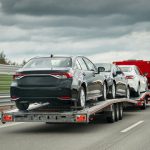


If you have bought a car that will not start, has no MOT, has accident damage, or cannot be safely driven, you may notice that transport quotes are higher than they would be for a normal running vehicle.
That is not usually because transporters are trying to make the job expensive. A non-runner often takes more time, more equipment, and more planning to move safely.
At DeliverMyMotor, non-runner jobs are one of the most common situations where customers underestimate what is involved. A running car can often be driven onto a trailer or moved by a trade plate driver. A non-runner may require a winch, recovery truck, specialist loading equipment, and a transporter who is properly equipped for the job.
What Counts as a Non-Runner?
A non-runner is any vehicle that cannot be safely driven onto transport under its own power.
This can include:
- A car that will not start
- A flat battery or electrical fault
- No MOT or not road legal
- Accident damage
- Missing keys
- Gearbox, clutch, or engine failure
- Flat tyres or seized brakes
- Salvage or auction vehicles
- Cars stuck at a garage, storage yard, or driveway
Some vehicles are considered light non-runners, such as a car with a flat battery that still rolls and steers. Others are much more difficult to move, especially if the wheels are locked, the tyres are flat, the steering does not work, or the vehicle is in a tight location.
Why Does Non-Runner Transport Cost More?
The main reason is that the job takes longer and requires specialist equipment.
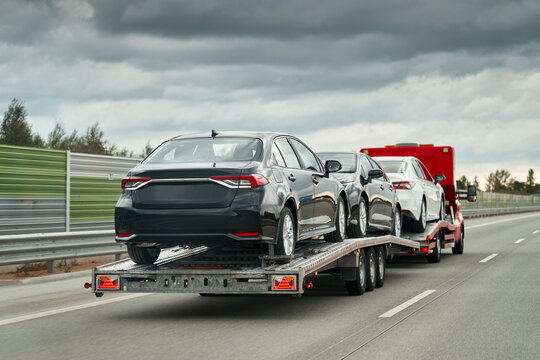
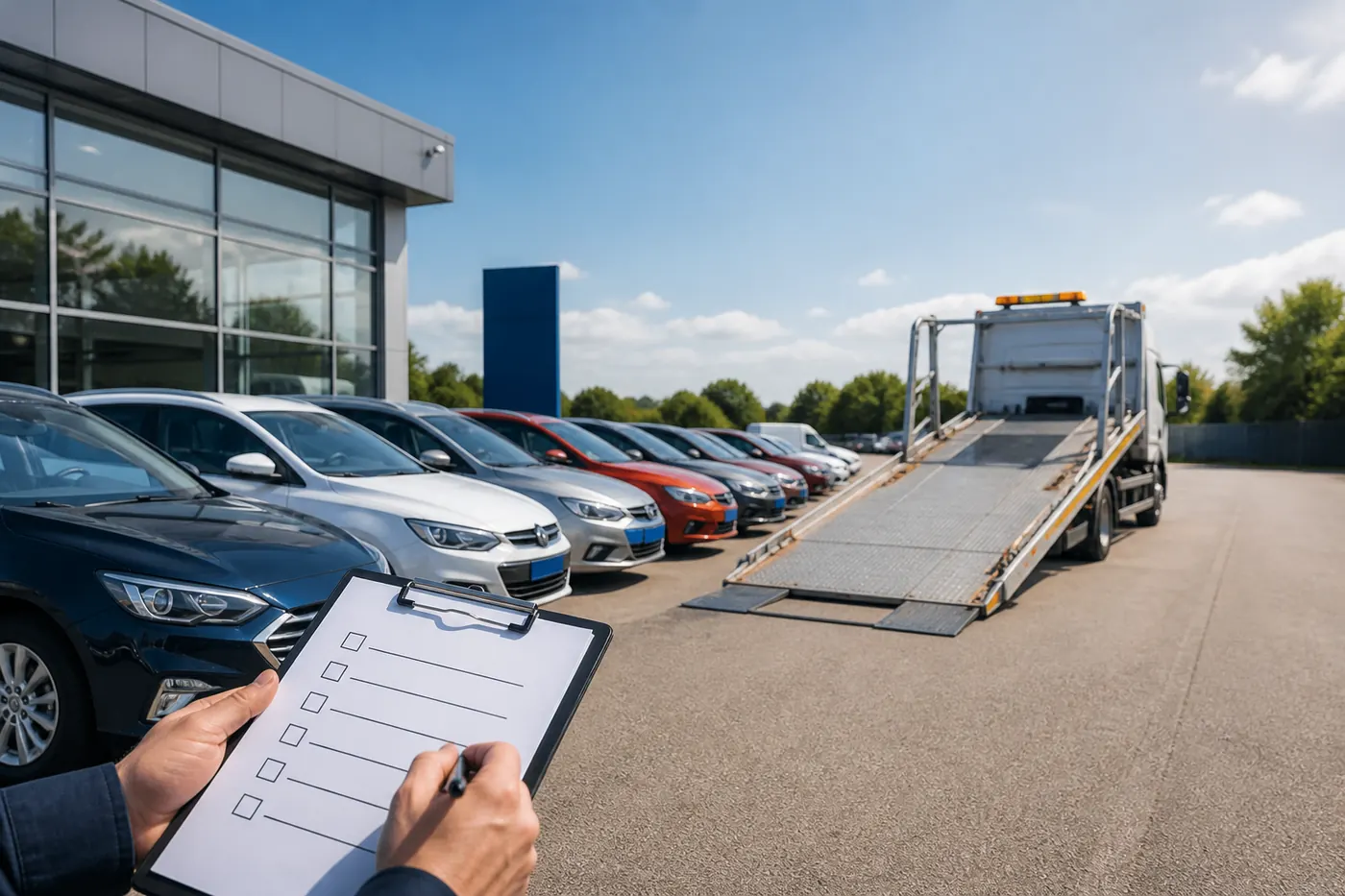
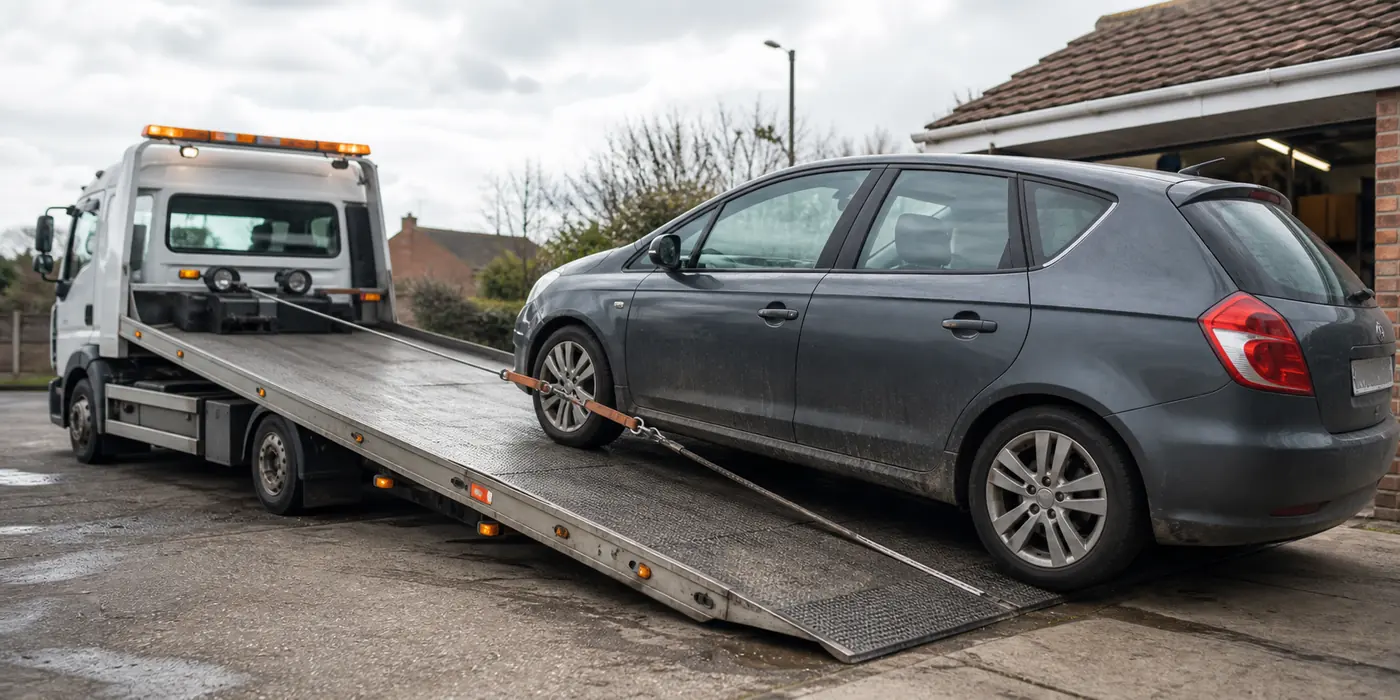
A transporter may need to winch the vehicle onto a flatbed or trailer, check that it rolls safely, secure it carefully, and allow additional time at both collection and delivery.
A running car might take only a few minutes to load. A non-runner can take significantly longer, particularly if access is difficult or the vehicle’s condition has not been accurately described.
Winching and Loading Equipment
Many non-runners need to be winched onto transport.
Not every transporter or trade plate driver can deal with this. A driven delivery is not suitable if the vehicle cannot legally or safely be driven.
For more difficult non-runner jobs, a transporter may require:
- A flatbed recovery truck
- A trailer with a winch
- Vehicle skates or dollies
- Loading ramps
- Additional straps and securing points
- Adequate space around the vehicle for safe loading
This affects availability. Fewer transporters can undertake the work, and those who can often have higher operating costs.
Access Makes a Big Difference
Where the vehicle is parked can have a major impact on the quote.
A non-runner on a wide driveway is usually straightforward compared to one parked nose-first on a narrow street, in an underground car park, behind other vehicles, or in a muddy auction yard.
Before requesting quotes, try to provide details such as:
- Does the vehicle roll?
- Does it steer?
- Is the handbrake stuck?
- Are the tyres inflated?
- Are the keys available?
- Is there enough room for a truck or trailer?
- Is the vehicle at an auction, garage, home address, or storage yard?
Providing accurate information helps transporters quote correctly and reduces the likelihood of unexpected price changes later.
Auction and Salvage Vehicles Can Be More Complex
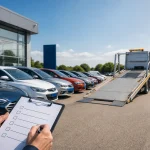
Auction non-runners often require additional planning because collection procedures, yard opening times, and loading rules vary between auction sites.
Salvage vehicles may also have:
- Accident damage
- Missing parts
- Flat tyres
- Steering issues
- Mechanical faults
If you have purchased a vehicle from an auction, include:
- The auction name and location
- Lot number
- Collection deadline
- Vehicle condition
- Any notes about damage
- Whether loading assistance is available on site
Distance Is Not the Only Pricing Factor
Many people assume vehicle transport is priced purely on mileage.
While distance certainly matters, the loading difficulty of a non-runner can be just as important.
A short local move can still cost more than expected if the vehicle cannot roll, is blocked in, or requires specialist recovery equipment.
Likewise, a long-distance non-runner may cost more because the transporter must allow extra loading and unloading time in addition to the journey itself.
How to Reduce the Cost of Non-Runner Transport
You may not be able to make the vehicle run, but you can make the job easier to quote accurately.
Before posting your transport request, check:
- Can the car roll freely?
- Does it steer?
- Are the tyres inflated?
- Are the keys available?
- Is the vehicle accessible for a recovery truck?
- Can someone be present at collection?
- Are there any auction or storage fees?
- Is the delivery address accessible?
Clear photographs can also help, particularly where there is accident damage or difficult access.
Compare Quotes from Suitable Transporters
The cheapest quote is not always the best quote for a non-runner vehicle.
You need a transporter who understands the job, has the correct equipment, and asks the right questions before collection.
With DeliverMyMotor, you can post your non-runner transport job once and compare quotes from transporters who are equipped to handle the move.
The more information you provide, the more accurate the quotes will be.
Looking for a quote? Request Non-Runner Car Transport quotes.
Frequently Asked Questions
Can a non-runner car be transported long distance?
Yes. Non-runner vehicles can be transported locally or across the UK. The transporter simply needs to know whether the vehicle rolls, steers, and can be loaded safely.
Can a non-runner be collected from an auction?
Yes. When arranging collection from an auction, include the auction site, lot number, collection deadline, vehicle condition, and whether loading assistance is available.
Is non-runner transport always more expensive?
In most cases, yes. Non-runner transport typically requires additional loading time, winching, and specialist equipment compared to transporting a running vehicle.
Can a car without an MOT be transported?
Yes. A vehicle without an MOT can usually be transported on a trailer or recovery truck. It should not be driven on the road unless it is legally permitted and properly insured for the journey.
What information should I give the transporter?
Tell the transporter whether the vehicle:
- Starts
- Rolls
- Steers
- Has keys available
- Has inflated tyres
- Has accident damage
- Has sufficient access for a recovery truck or trailer
Accurate information helps avoid delays and ensures you receive the most accurate quote possible.