

Dealer stock movement is usually simple when the right details are sorted before the vehicle is collected. Most delays happen because the transporter arrives without clear release notes, the vehicle condition is different from expected, or the collection site has access restrictions that were not mentioned.
Whether you are moving a car from auction, sending stock between branches, taking a vehicle to prep, or arranging delivery to a buyer, a few checks can make the job smoother and help you get more accurate transport quotes.
1. Confirm Where the Vehicle Actually Is
This sounds obvious, but dealer stock can move between auction compounds, storage yards, bodyshops, prep centres and dealership branches. Before requesting transport, check the exact collection address, site name, opening hours and any release instructions.
If the car is at an auction, make sure the transporter has the correct buyer reference or collection reference. If the car is at a compound, check whether the site needs advance notice before a transporter arrives.
2. Be Clear About the Vehicle Condition
Transporters need to know whether the vehicle starts, drives, steers and brakes. A car that “just needs collecting” can become a very different job if it is a non-runner, has a flat battery, locked steering, damaged suspension or missing keys.
If the car does not run or cannot be driven safely, say so before booking. It helps the right transporter quote for the job with the correct equipment.
3. Check Keys, Paperwork and Release Notes
For dealer and auction collections, failed collections often come down to missing release details. Before booking, check:
- Who is releasing the vehicle
- Whether keys are available
- Whether the vehicle needs an auction release code
- Whether ID or paperwork is required at collection
- Who the transporter should call on arrival
Adding this information at the quote stage saves time and helps avoid a wasted journey.
4. Decide if It Should Be Driven or Transported
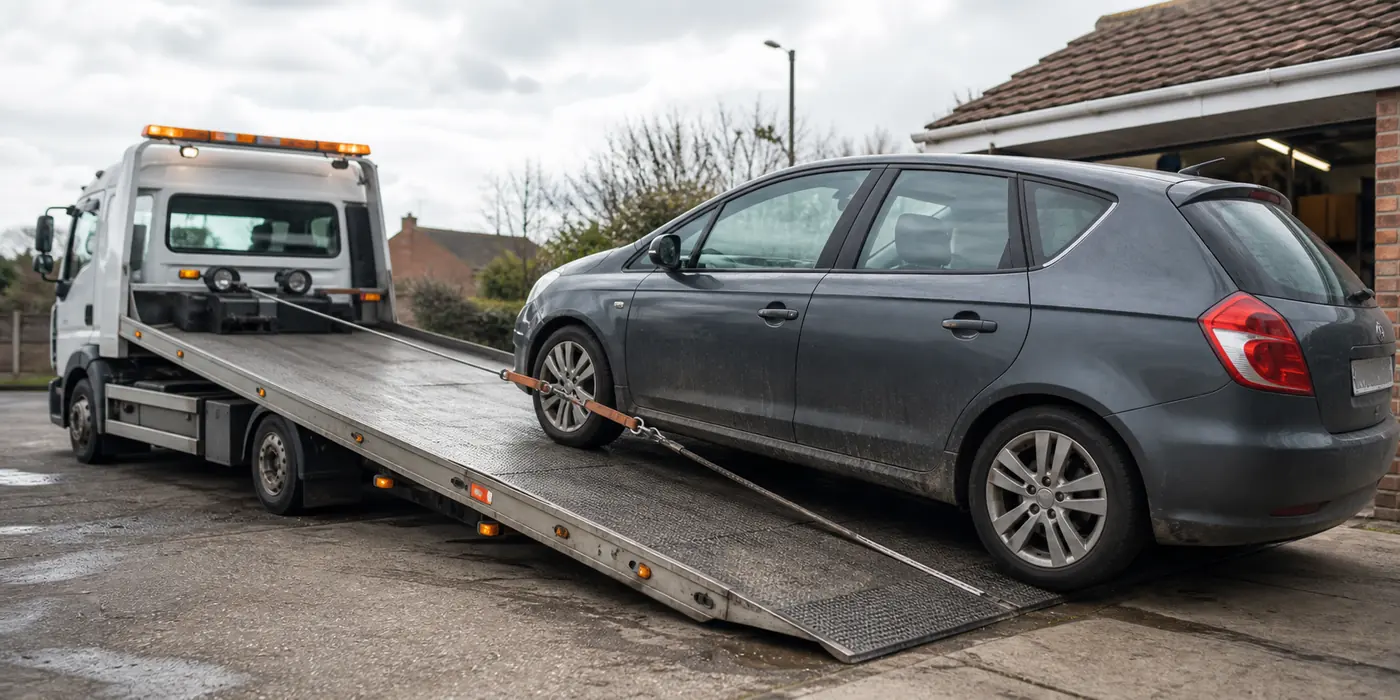
Some dealer movements can be handled by a trade plate driver, especially if the vehicle is roadworthy and suitable for driven delivery. Other vehicles are better moved on a transporter, especially if they are high-value, unprepared, non-running, damaged, or being moved a long distance.
For regular dealer moves, it is worth thinking about the method before booking. Driven delivery may suit some stock, while single-car transport, multi-car transport or enclosed transport may be better for others.
5. Give Realistic Collection and Delivery Windows
Flexible timing can help keep costs down, especially if a transporter can fit your vehicle into an existing route. But dealer sites, auctions and prep centres often have strict opening hours, so make those clear from the start.
If a vehicle must be collected before a storage charge starts, or delivered before a handover appointment, mention that in the job details.
6. Think About Access at Both Ends
A transporter may need space to load, unload, turn around or park safely. If either address has narrow access, height restrictions, gated entry, busy roads or limited parking, include that information when requesting quotes.
This is especially important for auction sites, storage yards, city centre dealerships and customer home deliveries.
7. Add Photos if They Help Explain the Job
Photos can be useful if the vehicle is damaged, low, modified, blocked in, or has missing parts. They help the transporter understand what equipment may be needed before they quote.
For higher-value or unusual vehicles, photos can also help avoid confusion about condition before collection.
8. Use One Clear Job Request Instead of Scattered Messages
A good transport request should include the route, vehicle details, condition, access notes, timing and release information in one place. That gives transporters enough information to quote properly and reduces back-and-forth before the job is accepted.
Quick Dealer Stock Movement Checklist
- Exact collection and delivery address
- Vehicle make, model and registration (if available)
- Whether the vehicle starts, drives, steers and brakes
- Keys and release instructions confirmed
- Collection and delivery contact details
- Opening hours or timing restrictions
- Access notes for transporter loading
- Whether driven delivery or transported delivery is preferred
Final Thought
Dealer stock movement works best when the job is described honestly and clearly. The more accurate the details, the easier it is for transporters to quote, plan the route and complete the collection without delays.
Need to move dealer stock, auction purchases or sold vehicles? Request car transport quotes and compare options from independent transport providers.
You may also find these useful.