

Have you ever wondered what you need to start your very own recovery or vehicle transport business? In this guide we will go over everything in detail required to get started in the industry, each week hundreds of new movers join the industry!
Operating is getting harder each week, especially with changing fuel costs and an increased cost of living and especially with compliance and new O license rules.
Recovery Truck vs Trailer
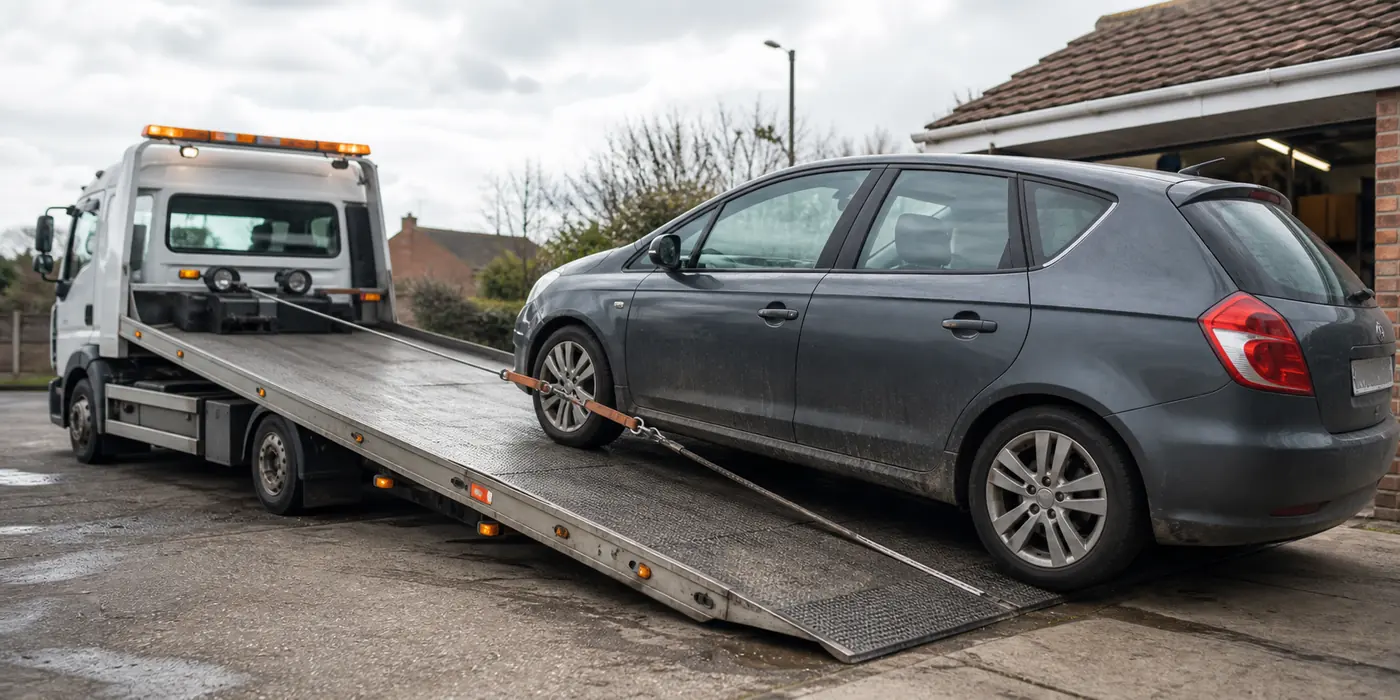
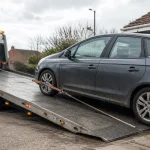
Which one should you buy? Each depends on what license you hold, your financial stability and what you intend to move. Many transporters are using what you call 3.5T recovery trucks with a complete gross weight of 3500kg, these are good and nimble trucks but in this day and age most new cars are extremely heavy.
You can on average carry a typical small family car with a weight of 1-1.2T (1200KG) however some of the lighter bed trucks can carry weights up to 1.6T(1600KG) though this does have to include your fuel and the passengers or driver. The problem with these trucks are axle weights, generally a single wheel axle can carry less weight over the axle vs a twin wheel axle.
Trailers
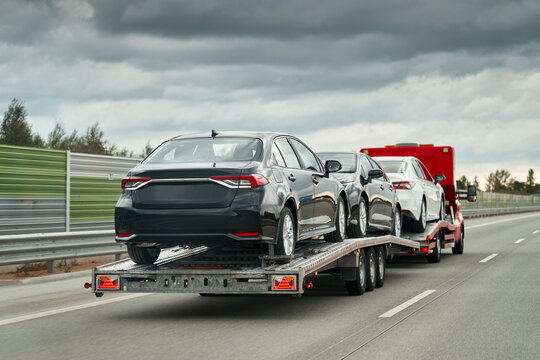
Many opt for a 4×4 and trailer combination which is a great choice, many trailers can move around 2600-2700KG depending on what is pulling the trailer, in many cases you want something that can move it – Generally a 4×4 and not a car.
The main issue is many of the setups require an O license, however there are various models that can exempt you from needing one, the ones that fall under this generally have an unladen weight no more than 2,040KG which also qualifies as a dual-purpose vehicle. Once you are over these restrictions you will need an operators license which has it’s own draw backs.
You generally need a premises with a decent size yard (enough to turn the trailer and 4×4 combo around and exit, and also show good finances e.g £4000-£8000 in the bank for cash flow, may use a loan and leave it in the bank or you can in some cases show your personal finances if you have the money.
7.5T recovery+
These are the larger recovery trucks you can also use a 12,000 recovery lorry, however both when used outside of offering breakdown within a roughly 50 mile radius will require an O license, 8 weekly checks and you will also need a class 1 or 2 license.
These also carry high maintenance and fuel costs and make it harder to turn a profit for long distance transport, in most cases these are better for short and local breakdown work rather than long distance, unless you want to focus on heavy vehicle moves as these can carry 4000-6000KG.
Insurance
What insurance will you need? In most cases for smaller 3.5 trucks and 4×4 + trailer combos you will need a motor trade policy that covers vehicle transport and breakdown recovery if you are doing both, goods in transit is also great to add to the pair. your typical policies you would get for vans and cars do not cover it, you can also get specific hire and reward insurance but in most cases it will fall under a motor trader policy.
Typical prices for new businesses depending if your license is clean and age can easily come in at £10,000 a year! If you are lucky £8,000. It is very hard to get a good price for your first year when you are starting out, over time you will get closer to £3,000-£6000 per year unless you start adding staff and more setups. Be clear when getting a quote with everything, what you are using and what sort of vehicles you plan to move, incorrect insurance can be a nightmare at the roadside if you get stopped.
Heavier lorrys like the 7.5T and 12T can sometimes come under a motor trade policy but the best way is a commercial insurance policy, these will typically easily cover vehicle transport and recovery if you state it as your business when getting a quote. These policies can be cheap depending on your license and years of experience, they can also easily start hitting £15000-£20,000 per year.
Finding work
In a technology age there is loads of new ways to find work, especially using our own platform DeliverMyMotor but others do exist such as shiply and anyvan. Though anyvan works in a different way and pays you directly for work.
It is also easy to join several facebook groups related to Transport where customers post or request for vehicles to be moved or other transporter Companies post in here who cannot cover jobs. Building a local google business profile is also another great idea for getting local customers.
You can also build a website, most hosting Companies these days offer easy to use AI website builders that can do it for you, it also allows you to have a brand online which customers may trust more. You can checkout our partner offer with oXnames which allows you to build a website and purchase a Domain.
Pros and cons
Overall joining the transport industry can be very rewarding, and at times very stressful. Buying a 3.5T recovery truck can work, but is becoming harder and harder to operate due to increasing vehicle weights. A 4X4 and trailer combination is the most ideal way to keep within regulations and weight limits and can be more cost effective when it comes to fuel.
You get to be your own boss, but when business is quiet (transport has slow periods) have you saved enough money from previous work to keep running? Many people setup and quit the industry within the first year.
Rising fuel costs! I myself had 6 recovery trucks in operation during the last fuel crisis in Britain where it was rising sharply, queues were outside petrol stations and many of them were empty. We had to take large 25Ltr drums to loads of stations just to have fuel, otherwise our drivers would of been stranded. At todays date we are currently facing rates of £2.05 per litre! And the number one factor of this job is fuel.
Journeys are often long, days are also long you can easily be out on the road for 12-14 hours, you have to ask yourself how safe are you to be driving so long!
On the other hand you will earn much more money than a regular job, just with added stress! If you are considering entering the industry it is certainly worth considering.