®
®
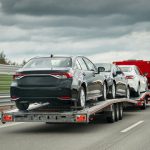



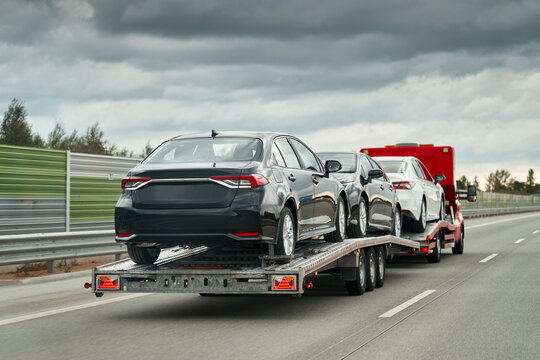
Car transporters need motor trade insurance declaring their actual business activities correctly by percentages and cover whilst the vehicle is ‘in transit’
You hear it a lot in this industry “I’ve got goods in transit insurance” sounds like every angle is covered, but are you really covered? If you are handing over your car to a mover, or even starting a vehicle transport business, there is more you need to put in place to be legally covered.
There is one important question and it is not simply whether someone has insurance. It must always cover the work they are actually doing and many do not declare it correctly, you need to also ensure your value level is covered.
Here at DeliverMyMotor we found many users just trying to upload goods in transit cover. This alone is not sufficient for our transporter insurance checks. Many goods in transit policies offer some exceptionally impressive limits and it is almost never claimed on because it is in reality a little bit pointless and crosses over to the actual typical trade policy cover and can create an argument.
So I hear you ask, What Cover Does a Transporter Need?
There are two separate issues: Cover for using the truck on the road and carrying a customers vehicle, and cover for the customer’s vehicle being loaded and offloaded.
A typical operator needs motor insurance (Typically a traders policy) that permits their actual paid transport or recovery activities. They will also need appropriate protection for customers’ vehicles in their care, with the relevant loading, unloading, towing or transportation activities covered.
The typical requirement and what is most common is a Motor Traders policy and goods in transit.
Policies in the industry can be so confusing and depending on each provider there is set rules, some goods in transit policies cover the loading, unloading and whilst it is on a recovery truck for things such as scratches or accidental damage (Debris). Where as the main traders policy may not always cover the loading, unloading and in transit part – Some however do. It should always be a priority question when taking out a policy for movers.
Goods in Transit Alone Is Not Enough
Goods in transit insurance is not good enough alone for motor insurance covering the use of the transporter and if a Transporter can only produce this then you should give them a wide birth.
Many goods in transit policies specifically cover motor vehicles. But it the small print needs to be checked, if the car rolled off whilst being winched / loaded who covers the damages? 9 times out of ten their main insurance policy would cover it and not goods in transit.
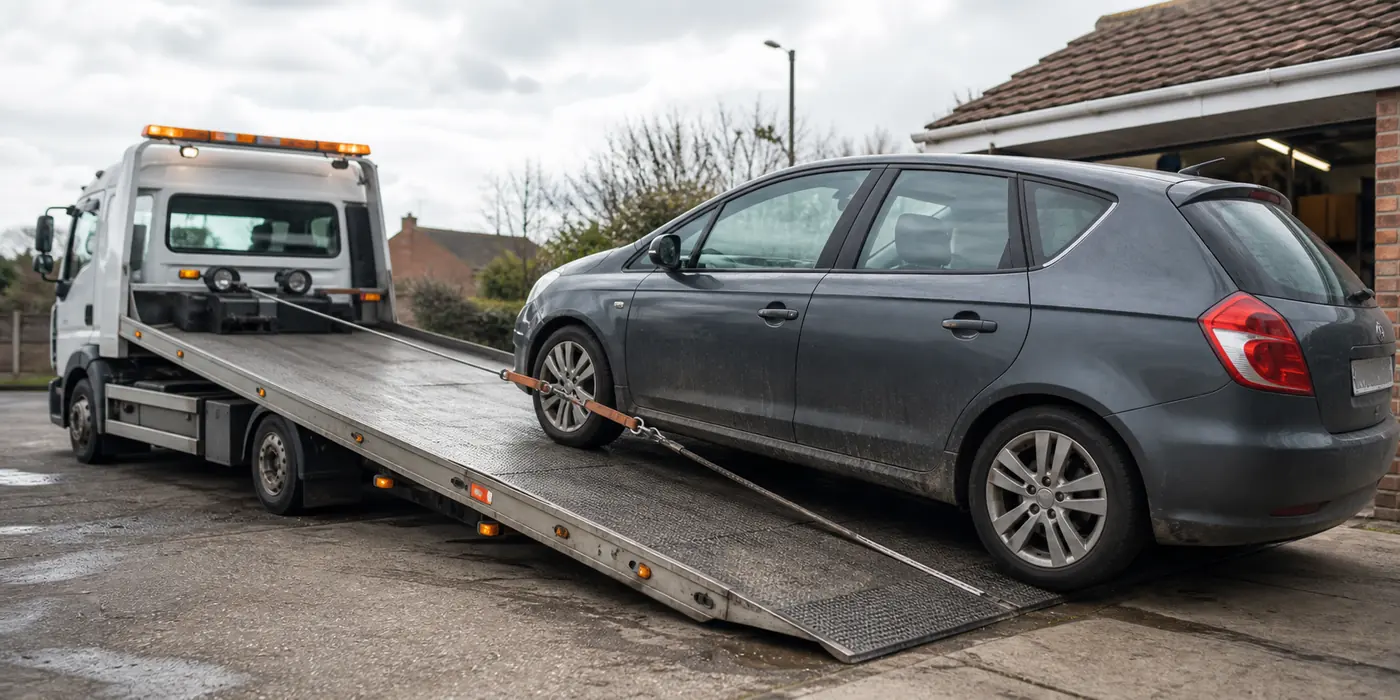
Another issue is a policy covering the customer’s car does not automatically mean the truck is insured to carry cars for paying customers. Equally, an insured truck does not automatically mean damage to the car on its bed is covered.
That distinction is easy to miss, especially when someone is starting out in the profession.
Recovery and Vehicle Transport are different!
A truck can look like a recovery vehicle without every journey being a breakdown recovery.
If a recovery driver is recovering a broken-down car from the roadside this is also different from collecting a running car from a dealer and delivering it to a buyer (Insurance is tricky isn’t it?!). Even the government’s recovery guidance extensively explains that moving a non-disabled car between garage forecourts is a haulage operation, regardless of what the truck looks like. That distinction also matters when you are setting up an insurance policy. Government recovery guidance
Distance alone does not decide whether a job is recovery or transport. A breakdown recovery can be long-distance, and a planned vehicle delivery can be local.
Tell the insurer what happens on your jobs. Do not assume that declaring “recovery” automatically covers every auction collection, dealer delivery or nationwide vehicle movement as many do not cover both under the same term.
Declare Your Actual Work and Its Percentage
If an insurer asks for a breakdown of your business activities you must tell the truth.
A business might carry out 70% vehicle transportation, 20% breakdown recovery and 10% repairs, that is the typical way most trade insurance policies cover declared business activity. This is also what a customer should look out for when checking a Car movers insurance.
In many cases when we have declined usage of the platform we have noted Companies being down as 100% mechanical repairs and they likely just purchased a truck to earn a little extra – Be warned if you do this or find a Transporter doing this you can be caught and will have your truck impounded.
Always check the facts on your policy, ensure you declare the correct activities or if you are a customer you should look for a trade insurance policy covering what they are doing for you e.g a breakdown or vehicle transport.
Could the Truck Be Seized?
Absolutely, if a truck is found to be moving a paid customer vehicle with it not declared on the policy not only will they impound the truck the customers vehicle on the back will also be taken into it’s lovely new custodial home called the impound.
Life becomes a serious problem then, transporters cannot just pop in unload a customers car and take it because all vehicles need proof of insurance, V5 and ‘impound insurance’, things can become extremely sticky and problematic – It simply is not worth the risk.
The practical point is simple: a repairs-only policy may not cover a separate paid vehicle delivery operation. Get written confirmation before taking the job, don’t ask questions at the side of the road.
As a customer should you check?
Our platform makes sure to verify users insurance before they are verified, however if you find yourself in a situation where you need to find out before accepting a car transport quote, ask:
- Does your cover apply to my Transport or Breakdown job?
- Will my vehicle be covered while loading, travelling and unloading?
- Is the cover limit sufficient for my car, and is it per vehicle or per load?
- Are there restrictions for damaged, non-running, classic or prestige vehicles?
- If the car will be driven, does the driver have insurance covering paid vehicle delivery?
Trade plates are not insurance. For a driven car delivery, the driver needs appropriate cover for driving the customer’s vehicle as part of that service which can easily be covered under a trade policy in most cases.
Our Advice For Transporters
Do not buy a cheap policy simply because it sounds right or its premium is cheaper. Explain the actual work, check the documents and ask the insurer or broker to confirm anything unclear in writing and if it is not set out in the documents ask them to provide written confirmation.
For customers, “fully insured” should start a conversation, not end it. If they become evasive when you ask, then you have to wonder why?
We have found other platforms outside of ours who allowed users to just upload Goods in transit policies and operate, they have since changed this after operating a good 10 years in this way. DeliverMyMotor has always demanded true trade cover before we give users a verified insurance tick.